
A series through CAES Field Report
Makenna Reavis
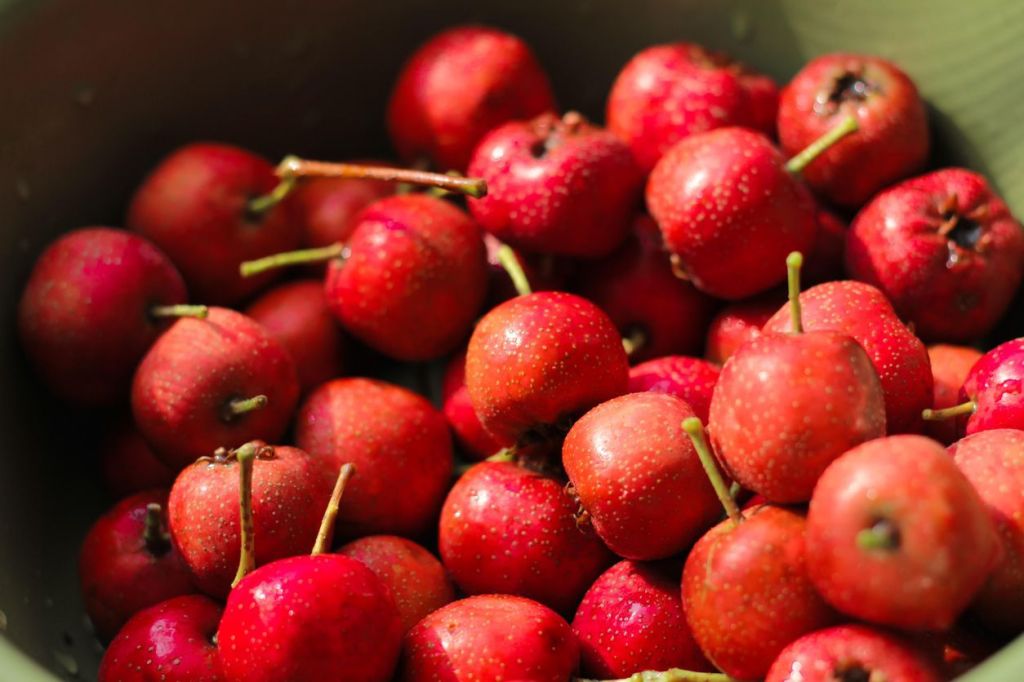
Did you know you can grow: Mayhaw
Georgia, traditionally known as the Peach State, is famous for its peaches, pecans and peanuts. But thanks to its mild climate, the state also supports a variety of uncommon and exotic fruits.
In a new series inspired by University of Georgia Cooperative Extension resource “Minor Fruits and Nuts in Georgia,” edited by consumer horticulturist Bob Westerfield, we’ll highlight lesser-known fruits that thrive in Georgia and can be grown in home gardens.
This month, we’re kicking things off with a familiar tree, especially in the southern regions, that produces a fruit many may not know — the mayhaw.
—
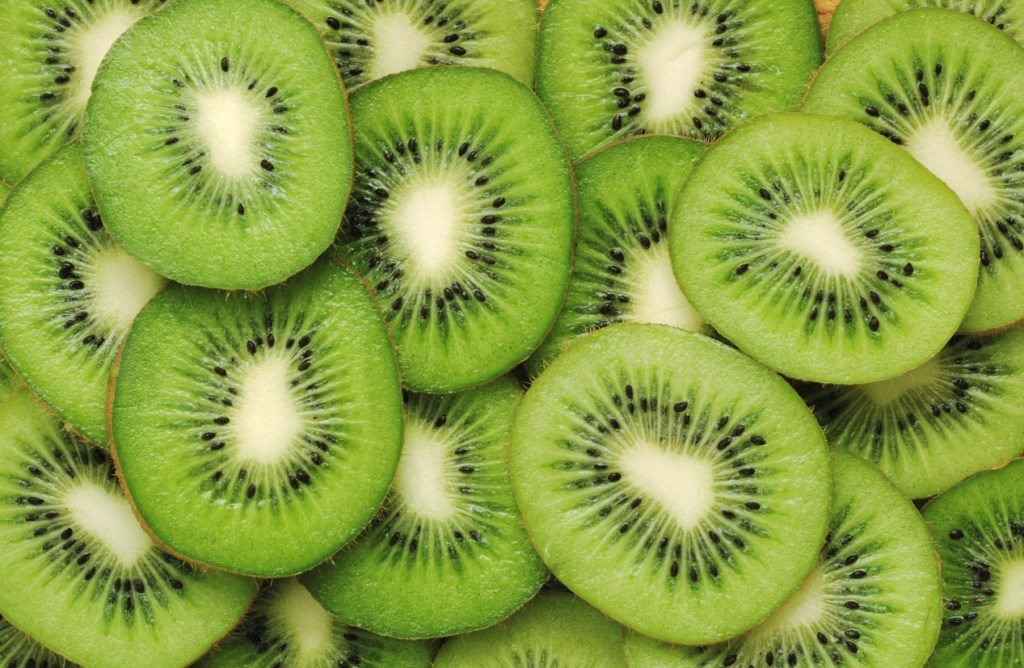
Did you know you can grow: Kiwifruit
Georgia, traditionally known as the Peach State, is famous for its peaches, pecans and peanuts. But thanks to its mild climate, the state also supports a variety of uncommon and exotic fruits.
In a monthly series inspired by University of Georgia Cooperative Extension publication “Minor Fruits and Nuts in Georgia” and edited by UGA Extension consumer horticulturist Bob Westerfield, we’ll highlight lesser-known fruits that can thrive in Georgia home gardens.
This month, we are focusing on kiwi. Although often considered exotic, kiwifruit can be grown in several regions in Georgia. Fuzzy kiwi, Actinidia chinensis or A. deliciosa, is the type you find in the grocery store and the most common. Cold hardy to winter temperatures of 10 degrees Fahrenheit, kiwi usually grow well in Plant Hardiness Zones 7-9.
—
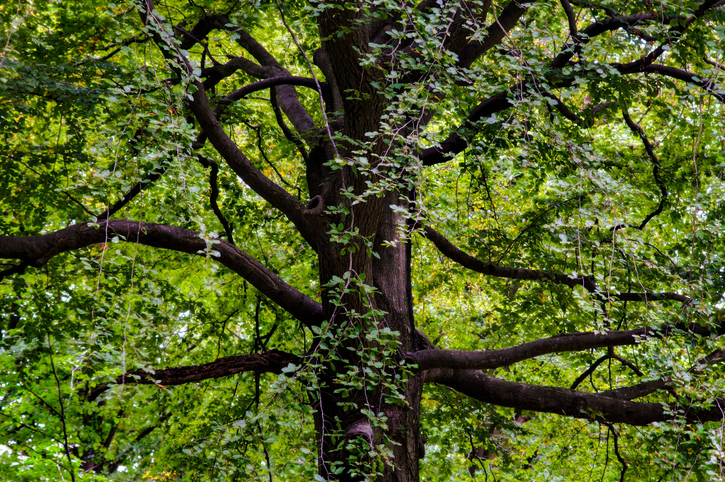
Did you know you can grow: Black Walnut
Georgia is famous for its peaches, pecans and peanuts, but thanks to its mild climate, the state also supports a variety of uncommon and exotic fruits and nuts.
In a series inspired by University of Georgia Cooperative Extension publication “Minor Fruits and Nuts in Georgia,” edited by UGA Extension consumer horticulturist Bob Westerfield, we’ll highlight lesser-known edibles that can thrive in Georgia home gardens.
This issue’s focus is black walnut, a large nut tree native to Georgia and many parts of the eastern United States.
 Makenna Reavis
Leave a comment